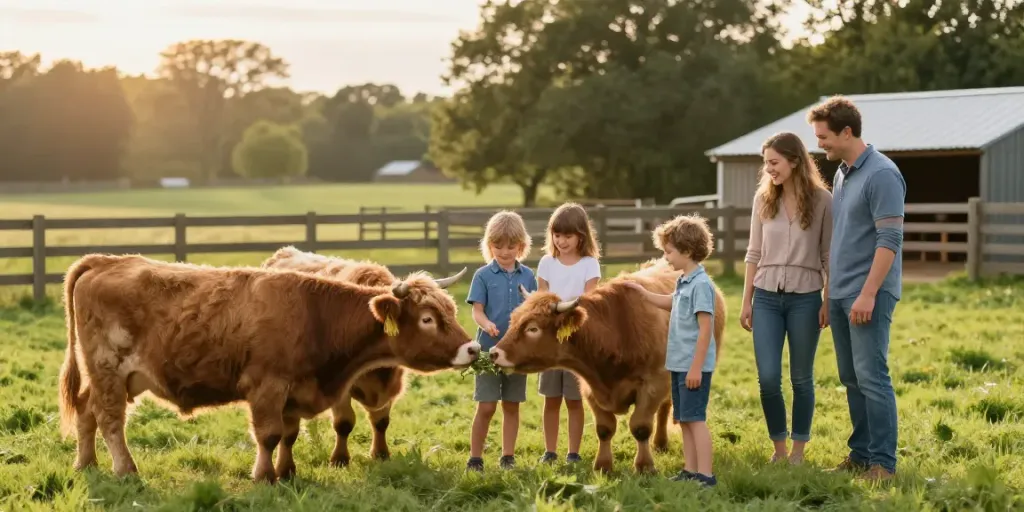
Understanding Mini Cows
Miniature cows, often referred to as mini cows, are an increasingly popular choice among agricultural enthusiasts, hobby farmers, and even urban dwellers looking for companionship and unique livestock. These smaller-sized bovines offer many benefits, from being easier to manage to having lower feed requirements compared to their full-sized counterparts. As the trend for sustainable and diversified farming practices grows, many buyers are eager to explore mini cows for sale in florida, where a variety of breeds and types can be found to suit personal preferences and farming needs.
What Are Mini Cows?
Mini cows are simply scaled-down versions of standard cattle breeds. They can come in various sizes, generally ranging from 36 to 54 inches tall at the shoulder. These adorable creatures can be bred from multiple standard-sized breeds, resulting in a variety of looks and temperaments. They are often chosen for their sociable nature, compact size, and unique appearance, making them an excellent addition to farms or as pets.
Different Breeds of Miniature Cattle
There are several popular breeds of miniature cattle, each with its distinctive characteristics:
- Miniature Herefords: Known for their docile temperament, these cattle are ideal for both farming and companionship.
- Mini Jerseys: Renowned for their rich milk production, Mini Jerseys are a favorite among dairy enthusiasts.
- Mini Highlands: With their long, shaggy coats, these cows are not only beautiful but also hardy in colder climates.
- Dexters: This breed is versatile, valued for both milk and meat production, making them a practical choice for small farms.
- HighPark Cattle: A blend of several breeds, they are known for their adaptability and friendly disposition.
- Mini Zebu: These tropical breeds are well-suited for warmer climates and are often used for draft purposes as well.
Benefits of Owning Mini Cows
Owning mini cows can be a rewarding experience, offering a variety of benefits:
- Space Efficiency: Mini cows require less space compared to standard breeds, making them suitable for smaller farms or hobby farms.
- Lower Feed Costs: Their smaller size allows for reduced feeding requirements, creating significant savings for owners.
- Companion Animals: Mini cows are known for their friendly nature, making them great companions for families.
- Educational Opportunities: They can serve as an excellent educational tool for children, teaching responsibility and the basics of animal husbandry.
Finding Mini Cows for Sale in Florida
When searching for mini cows for sale, Florida offers a wealth of options. Potential buyers should consider the reputation of breeders, the health and welfare of the animals, as well as the specific needs they wish to satisfy. The state is home to various reputable farms, including those specializing in specific mini breeds, allowing buyers to find exactly what they need.
Where to Look for Reputable Breeders
Potential buyers should start their search by visiting local farms, attending livestock shows, or connecting with online groups dedicated to miniature cattle. Many farms also have websites showcasing their available stock and offering information on each breed. Trusted breeders often provide health guarantees and detailed records of the animal's background.
Evaluating Available Miniature Cattle
Before making a purchase, it's essential to evaluate the available options thoroughly. Take the following steps to ensure you're selecting the right mini cow:
- Ask for Health Records: Ensure that the cow has been properly cared for and vaccinated.
- Observe Temperament: Spend time with the cow to assess its demeanor and socialization level.
- Consider Breeding: If you're interested in breeding, research the cow’s lineage and genetic history.
Common Mistakes to Avoid When Buying
In the excitement of purchasing a mini cow, buyers may overlook important details. Avoid these common pitfalls:
- Skipping Research: Failing to educate yourself about the specific breed and its needs can lead to ownership challenges.
- Neglecting Health Checks: Always confirm the health status of the animal to avoid future veterinary expenses.
- Ignoring Legalities: Make sure you understand any zoning laws or regulations concerning livestock ownership in your area.
The Buying Process
Once you've identified a reputable breeder and evaluated available cattle, the next step is to navigate the buying process effectively. Understanding what to expect at each stage can help simplify the experience.
Steps to Purchase a Mini Cow
The process often entails several key steps:
- Research farms and available animals.
- Contact breeders for inquiries about specific cows.
- Schedule farm visits to meet the animals and assess their environments.
- Discuss pricing and payment options.
- Complete ownership transfer documentation.
- Arrange for transportation, if applicable.
Questions to Ask Your Breeder
Before finalizing your purchase, consider asking these essential questions:
- What vaccinations has the cow received?
- Can you provide references from previous buyers?
- What feeding and care requirements are necessary?
Understanding Ownership Transfer Documents
Ownership transfer can involve specific documentation to ensure legal compliance and protect the buyer's investment. Familiarize yourself with the following:
- Bill of Sale: This document outlines the purchase details, including price and animal identification.
- Health Certificates: These ensure the animal is disease-free and fit for transport.
- Registration Papers: If applicable, these documents provide proof of the animal's pedigree.
Transportation and Care
After completing the purchase process, you will need to consider how to transport your new mini cow safely and ensure its well-being upon arrival.
Arranging Safe Transportation for Your Mini Cow
Safe transportation is critical for the health and comfort of your mini cow. Here are some tips to ensure a smooth journey:
- Use Experienced Transporters: Hire professionals who specialize in livestock transport to ensure safe handling.
- Confirm Transportation Details: Discuss transport arrangements, including time, route, and special needs for your cow.
Initial Care and Setting Up Your Mini Cow’s Home
Preparing a suitable home for your mini cow is essential for its adjustment and health:
- Provide Adequate Shelter: Ensure a dry, safe area protected from harsh weather.
- Quality Fencing: Install strong fencing to keep your cow safe and contained.
- Feeding Routine: Establish a balanced diet tailored to your cow's breed and age.
Long-Term Care Tips for Miniature Cattle
To ensure the long-term health and happiness of your mini cow, consider these ongoing care tips:
- Regular Veterinary Check-ups: Schedule routine health appointments to monitor your cow's well-being.
- Social Interaction: Spend time with your cow to encourage a strong bond and reduce stress.
- Proper Nutrition: Adjust the feeding regimen as your mini cow ages or as nutritional needs change.
Engaging with the Mini Cow Community
Joining the mini cow community can enhance your ownership experience, providing support and resources as you learn about your new pet.
Connecting with Other Mini Cow Owners
Networking with fellow mini cow enthusiasts can open doors to invaluable advice and shared experiences:
- Online Forums: Participate in online discussions to get tips and share stories.
- Social Media Groups: Join Facebook or Instagram groups focused on miniature cattle ownership.
Participating in Local Shows and Events
Engaging in local livestock shows or fairs can be a fun way to showcase your mini cow:
- Competitions: Enter your cow in shows to display its qualities and skills.
- Networking Opportunities: Meet other breeders and enthusiasts to exchange knowledge and advice.
Resources for Ongoing Education on Mini Cattle
Staying informed about the latest developments in miniature cattle care is essential for responsible ownership:
- Workshops and Seminars: Attend educational events focused on miniature cattle management.
- Books and Online Courses: Invest in literature and courses that delve into the specifics of miniature cattle care.